

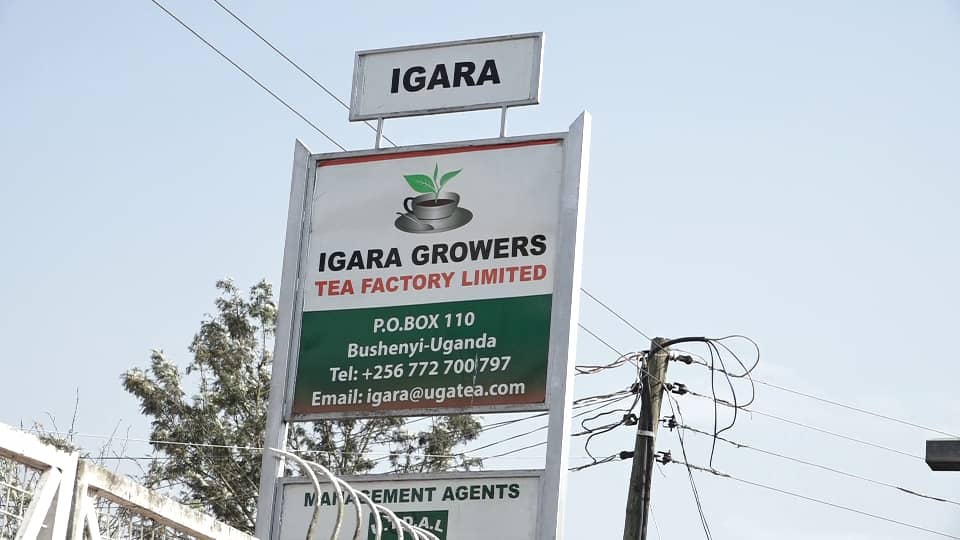
Local leaders and tea farmers in greater Bushenyi have called on the government to institute a forensic audit into Igara Growers Tea Factory as concerns mount over its financial and operational collapse.
The call comes a week after the factory suspended operations following a workers’ strike and prolonged non-payment of tea leaf suppliers, some of whom have reportedly gone more than six months without pay.
Leaders attribute the crisis to governance and managerial failures, urging urgent state intervention to prevent a complete collapse of the farmer-owned enterprise.
“The luxurious and exorbitant schemes of the board members of this factory are what have killed it, nothing else,” said Deo Atuhaire, the district chairperson of Buhweju.
“Before the current board of directors steps down and tea farmers elect a substantive board that knows how to run a business without swindling money, the resurrection of this factory is null and void,” he added.
Igara Growers Tea Factory is owned by more than 8,000 tea farmers, the majority of whom depend on it as their primary source of income.
Before halting operations, the factory had accumulated significant arrears, owing both green leaf suppliers and workers millions of shillings. It also reportedly failed to remit workers’ National Social Security Fund (NSSF) contributions amounting to over Shs 1.6 billion.
Adrine Kobusingye, a former board chairperson of the factory and a Central Executive Committee member representing the Women’s League, said structural reforms are necessary if the factory is to recover.
“As a businesswoman, I do not believe businesses collapse overnight. This has been a long-standing problem, and as tea farmers together with leaders, we must conduct a diagnosis to establish the root cause of this crisis. But as far as I know, governance and management are the leading challenges,” she said.
Prior to the shutdown, the factory was embroiled in a leadership dispute, with rival factions within the board, including one linked to Willis Bashaha, contesting control.
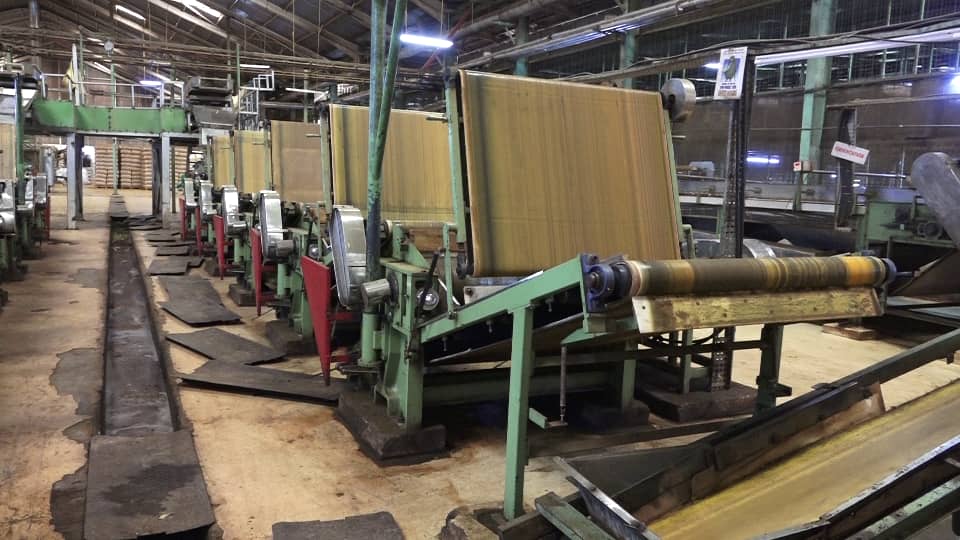
The shutdown has had a ripple effect on farmers, many of whom had secured loans through Igara Buhweju SACCO. With incomes disrupted, several are now struggling to service their debts.
Speaking at the SACCO’s annual general meeting, General Manager Lilian Nuwagaba reported a sharp decline in financial performance, attributing it to reduced loan repayments linked to the factory’s closure.
“If we had not faced this challenge, IGABU would report a surplus of Shs 2 billion. But because of this crisis, we have been making loan provisions due to defaulters. Our profitability has dropped from Shs 1.2 billion to Shs 715 million,” she said.
“We therefore call upon government to intervene and rescue this factory,” she added.
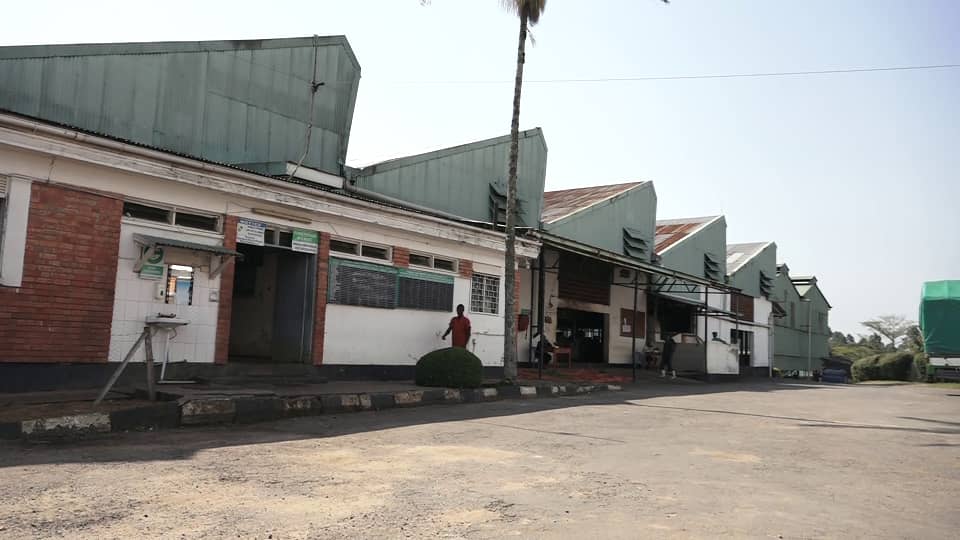
The factory is currently struggling with billions of shillings in liabilities, including payments owed to workers, farmers, and operational creditors, with both the Bushenyi and Buhweju plants remaining closed.
Leaders have also questioned the handling of proceeds from tea sales, noting discrepancies between reported stock and available inventory.
“Apparently there is stock of tea that is ready for sale both here and in Mombasa, so there is need to understand how this factory has been operating,” said John Bosco Koy Kalisa, the MP-elect for Buhweju West.
While some stakeholders are pushing for the immediate reopening of the factory, others insist that an independent financial and technical audit must first be conducted to establish the true state of affairs.
“When such a factory closes, and before it is reopened, there must be both financial and technical audits to ascertain its cash flows,” Koy added.
However, a section of leaders argues that government should first resolve the ongoing leadership wrangles before undertaking a full audit.
Kobusingye also said she would escalate the matter to the Central Executive Committee and the President to seek urgent intervention.
